
What Is a Rotating Shift?
A rotating shift in a healthcare setting refers to a structured work schedule in which employees periodically alternate between different time-based shifts, such as day, evening, night, and weekend hours. Rather than maintaining a single, fixed work period, healthcare professionals move through a predefined rotation cycle that ensures continuous staffing across all hours of operation. In environments where patient care is required around the clock, rotating shifts are not simply a scheduling preference—they are an operational necessity.
We observe rotating shifts most commonly in hospitals, long-term care facilities, emergency departments, and specialized clinics where uninterrupted coverage directly impacts patient outcomes. These schedules are carefully designed to distribute both desirable and less desirable hours equitably among staff, while maintaining clinical efficiency and regulatory compliance. A typical rotation may span several weeks or months, allowing employees to work a sequence of day shifts before transitioning to evenings or nights.
From an organizational standpoint, rotating shifts support workforce sustainability by preventing over-reliance on a small group of employees for overnight or weekend work. From a professional perspective, they expose healthcare workers to diverse patient scenarios that occur at different times of day, enhancing clinical adaptability and experience. However, rotating shifts also introduce physiological and psychological challenges that require thoughtful management.

The Purpose of Rotating Shifts
The primary purpose of rotating shifts in healthcare is to ensure uninterrupted patient care while distributing workload fairly across the workforce. Healthcare facilities operate twenty-four hours a day, seven days a week, and patient needs do not diminish during nights, weekends, or holidays. Rotating shifts allow organizations to meet these demands without assigning permanent off-hour schedules to the same individuals indefinitely.
We implement rotating shifts to mitigate fatigue concentration. When only a subset of employees consistently works nights, burnout and turnover rates tend to increase. Rotation helps spread physical and emotional demands more evenly, supporting long-term workforce retention. Additionally, rotating schedules create operational flexibility, enabling rapid staffing adjustments during patient surges, public health emergencies, or seasonal fluctuations.
Another critical rationale lies in skill distribution. Different shifts present different clinical challenges. Night shifts often involve fewer support staff and require greater autonomy, while day shifts may involve complex procedures, multidisciplinary rounds, and administrative coordination. Rotating shifts ensure that clinical competencies are evenly developed across teams rather than isolated to specific time blocks.
From a compliance standpoint, rotating shifts support adherence to labor regulations governing maximum work hours, rest periods, and overtime distribution. Properly managed rotations reduce scheduling inequities and promote transparency, which strengthens organizational trust. Ultimately, rotating shifts exist not merely as a logistical solution, but as a strategic framework that aligns patient safety, employee well-being, and institutional resilience.

Common Types of Rotating Shifts
Healthcare rotating shifts are not uniform; they are structured in several distinct models depending on organizational needs, patient volume, and staff composition. Understanding these variations is essential for effective workforce planning.
Day–Evening–Night Rotations
This is the most widely used rotation model. Employees progress sequentially from day shifts to evening shifts and then to night shifts over a defined period. We often see this structure in acute care hospitals, where staffing requirements fluctuate significantly across a 24-hour cycle. This forward-rotating approach aligns more closely with natural circadian rhythms than backward rotations, reducing fatigue-related risks.
Fixed Rotation Cycles
In fixed rotation systems, employees follow a repeating schedule pattern, such as two weeks of day shifts followed by two weeks of nights. This predictability allows staff to plan personal commitments while still sharing less desirable shifts. Fixed rotations are particularly effective in units with stable patient volumes and experienced teams.
Weekend-Inclusive Rotations
Many healthcare organizations incorporate weekends into rotation cycles to ensure equitable coverage. Rather than assigning permanent weekend staff, rotating schedules distribute weekend responsibilities evenly, preserving morale and fairness.
Each rotation type carries operational implications, and we select models based on patient acuity, staffing availability, and institutional culture. Effective rotation design is less about uniformity and more about alignment with care delivery goals.

Healthcare Roles Most Affected by Rotating Shifts
Rotating shifts impact a wide range of healthcare professionals, though the degree varies by role and specialty. Registered nurses, licensed practical nurses, and nurse aides are among the most affected, as they provide direct patient care across all hours. Emergency physicians, and respiratory therapists also commonly work rotating schedules.
We also see rotating shifts among diagnostic and support services, including laboratory technologists, radiology staff, and pharmacy teams. These roles are critical to patient care continuity, particularly during nights and weekends when rapid diagnostics influence treatment decisions.
Administrative and leadership roles may occasionally participate in rotation models during crisis periods or staffing shortages, though this is less common. The widespread reach of rotating shifts underscores their systemic importance and highlights the need for organization-wide policies that support adaptation and well-being.

How Rotating Shifts Differ from Fixed Shifts
The distinction between rotating shifts and fixed shifts lies primarily in predictability and physiological impact. Fixed shifts assign employees to the same work hours consistently, while rotating shifts require periodic adjustments to different time blocks. In healthcare, fixed shifts are more common in outpatient clinics or administrative roles, whereas rotating shifts dominate inpatient and emergency care environments.
We recognize that fixed shifts offer stability and easier work–life planning. However, they can create staffing imbalances, particularly for nights and weekends. Rotating shifts address this imbalance by sharing coverage responsibilities across the workforce. While this approach introduces adaptation challenges, it reduces long-term inequities and operational bottlenecks.
From a performance perspective, rotating shifts broaden clinical exposure. Staff working only day shifts may never encounter overnight emergencies or reduced-support scenarios, limiting experiential learning. Rotations foster versatility, a critical attribute in high-acuity healthcare settings.
The trade-off is adaptation stress. Rotating shifts demand robust scheduling support, adequate rest intervals, and proactive wellness initiatives. When managed strategically, their benefits outweigh their challenges, making them indispensable in continuous-care environments.

Impact of Rotating Shifts on Patient Care and Safety
Rotating shifts exert a direct and measurable influence on patient care quality and safety outcomes. In healthcare environments where care is continuous, the effectiveness of shift rotation determines how consistently clinical standards are upheld across all hours. We observe that well-structured rotating shifts promote balanced alertness among staff, ensuring that no single group bears the cumulative fatigue of overnight or extended off-hour duties. This balance is essential for maintaining vigilance, especially in high-risk units such as intensive care, emergency departments, and surgical recovery areas.
Patient safety benefits when rotating shifts are supported by standardized handover protocols and overlap periods. When staff transition between shifts regularly, communication practices become more disciplined. Detailed documentation, structured briefings, and clear accountability reduce the likelihood of missed information during transitions of care. These safeguards are particularly critical during night shifts, when staffing levels are leaner and clinical decisions often rely on rapid judgment.
However, rotating shifts also require deliberate mitigation strategies to prevent fatigue-related errors. We emphasize adequate rest periods between rotations, evidence-based scheduling intervals, and fatigue-awareness training. When these elements are integrated, rotating shifts can sustain high levels of clinical performance while preserving patient trust and care continuity. Ultimately, patient safety is not compromised by rotation itself, but by how thoughtfully it is implemented and supported.

Physical Effects of Rotating Shifts on Healthcare Workers
The physical effects of rotating shifts are among the most discussed aspects of healthcare scheduling. Human physiology is deeply tied to circadian rhythms, and frequent changes in work hours can disrupt sleep patterns, metabolism, and overall energy regulation. We commonly see healthcare workers experience sleep deprivation, gastrointestinal disturbances, and reduced immune function when rotations are poorly paced or insufficiently supported.
Night shifts, in particular, challenge natural sleep–wake cycles. Transitioning from nights back to days can require significant physiological adjustment, often resulting in cumulative fatigue. Over time, this fatigue may manifest as chronic exhaustion, headaches, or musculoskeletal strain, especially in physically demanding roles such as nursing and patient transport.
To counteract these effects, healthcare organizations increasingly incorporate fatigue risk management systems. These include forward-rotating schedules, protected rest intervals, and access to wellness resources. When physical health is prioritized within rotation models, staff resilience improves, absenteeism declines, and long-term workforce sustainability is strengthened.

Work–Life Balance Challenges in Rotating Shift Schedules
Maintaining work–life balance is one of the most complex challenges associated with rotating shifts. Irregular hours make it difficult to establish consistent routines, particularly for workers with caregiving responsibilities or external commitments. We often see staff struggle to synchronize personal lives with changing work patterns, leading to stress and reduced overall well-being.
Predictability is a key mitigating factor. When rotation schedules are published well in advance and adhere to consistent cycles, employees can plan personal activities more effectively. Flexibility mechanisms, such as shift-swapping systems and preference-based scheduling, further support balance without compromising coverage.
Work–life balance is not solely an individual responsibility; it is an organizational outcome. Healthcare institutions that integrate employee feedback into scheduling practices foster loyalty and reduce turnover. In this way, rotating shifts become a shared responsibility rather than a unilateral burden.

Technology and Workforce Management Tools in Shift Rotation
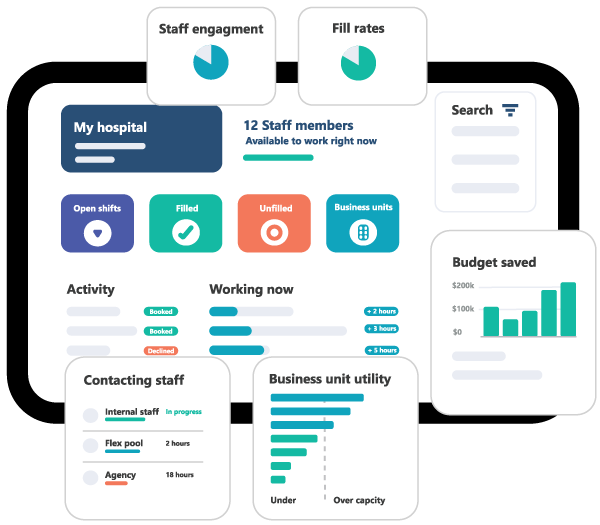
Modern healthcare increasingly relies on technology-driven workforce management tools to optimize rotating shifts. Advanced scheduling software analyzes staffing requirements, skill mix, and compliance parameters in real time. These systems reduce administrative burden while improving accuracy and fairness.
We also leverage predictive analytics to anticipate patient volume fluctuations and adjust rotations proactively. Mobile applications allow staff to view schedules, request swaps, and receive updates instantly, enhancing transparency and engagement.
Technology does not replace human judgment, but it enhances it. When digital tools support informed decision-making, rotating shifts become more responsive, equitable, and efficient across the organization.
FAQs
Are rotating shifts mandatory in healthcare settings?
How long is a typical rotating shift cycle?
Do rotating shifts increase burnout risk?
Are rotating shifts used outside hospitals?
Can employees request changes to rotating schedules?
Trusted by